B.Tech in Electrical Engineering with Specialization in Electric Vehicle
A four-year Electrical Engineering programme with specialization in Electric Vehicle, built on rigorous engineering learning, practical laboratories and electric-mobility research.
Electrical engineering for electric mobility
The B.Tech programme in Electrical Engineering prepares students for careers in the Electrical, Electronics and IT industries. It follows an internationalized curriculum in compliance with statutory bodies and national and international accreditation, with emphasis on experiential and project-based learning and impact studies for higher studies and entrepreneurship.
The curriculum is flexible, with industry electives, minors and honours. Its research is framed around three United Nations goals: Affordable and Clean Energy; Industry, Innovation and Infrastructure; and Sustainable Cities and Communities.
Students learn in smart classrooms, state-of-the-art laboratories, centres of excellence with corporate collaborations and research laboratories spanning electric vehicles, battery technology, IoT, industrial automation, renewable energy, smart grid, AI, ML and FPGA.
The School lists an Advanced Specialization on Electric Vehicles (EV Stack) among its co-branded programmes in association with L&T EduTech.
From electric drive to grid integration
Research thrust areas published by the School’s Electric Vehicle Research Group, supporting the learning environment around electric mobility.
Electric Drives
Design and optimization of electric motor drives for improved performance.
Charging Infrastructure
Fast and wireless charging technologies, including compact high-efficient chargers and magnetic couplers.
Vehicle-to-Grid
Research on integrating electric vehicles with the electricity grid.
Battery Management
Battery management systems for efficient and reliable monitoring and control.
Energy Management
Strategies for optimal energy use and distribution in electric vehicles.
Renewable Integration
Integration of renewable energy systems, including solar, for charging infrastructure.
Advanced Specialization on Electric Vehicles (EV Stack)
Develop your electrical engineering foundations in an environment that connects machines, power electronics, battery technology, charging, control and renewable energy systems.
Knowledge with purpose
Published programme educational objectives, outcomes and electrical engineering specialization outcomes.
Programme Educational Objectives
- Graduates shall be able to address complex problems and apply learned skills in industry and academics.
- Graduates shall fulfil societal needs by solving technical problems using engineering principles, tools and practices ethically and responsibly.
- Graduates shall exhibit leadership skills and professional competency in a globally competitive world.
Programme Outcomes
- Apply knowledge of mathematics, science and engineering fundamentals to solve complex engineering problems.
- Identify, formulate, review research literature and analyse complex engineering problems to reach substantiated conclusions.
- Design solutions for complex engineering problems and design system components or processes that meet specified needs with appropriate consideration for public health and safety and cultural, societal and environmental considerations.
- Use research-based knowledge and research methods including design of experiments, analysis and interpretation of data and synthesis of information to provide valid conclusions.
- Create, select and apply appropriate techniques, resources and modern engineering and IT tools, including prediction and modelling, with an understanding of their limitations.
- Apply contextual knowledge to assess societal, health, safety, legal and cultural issues and the consequent responsibilities relevant to professional engineering practice.
- Understand the impact of professional engineering solutions in societal and environmental contexts and demonstrate knowledge of and need for sustainable development.
- Apply ethical principles and commit to professional ethics and responsibilities and norms of engineering practice.
- Function effectively as an individual and as a member or leader in diverse teams and multidisciplinary settings.
- Communicate effectively on complex engineering activities with the engineering community and society at large.
- Demonstrate knowledge and understanding of engineering and management principles and apply these to work as a member and leader in a team and to manage projects in multidisciplinary environments.
- Recognize the need for and have the preparation and ability to engage in independent and life-long learning in the broadest context of technological change.
Programme Specific Outcomes
- Acquire fundamental knowledge of electrical machines and develop hands-on skills to design, analyse and troubleshoot electrical machines.
- Understand electrical, electronic and power electronic circuits and apply this knowledge in measurement and control.
- Apply electrical engineering concepts in generation, transmission and distribution systems, including renewable energy and sustainable development.
Programme documents
Current B.Tech Electrical Engineering curriculum documents and semester academic calendars published by the School.
Learn by building, measuring and testing
Electrical Engineering academic laboratories published by the School, offering practical foundations for the programme.
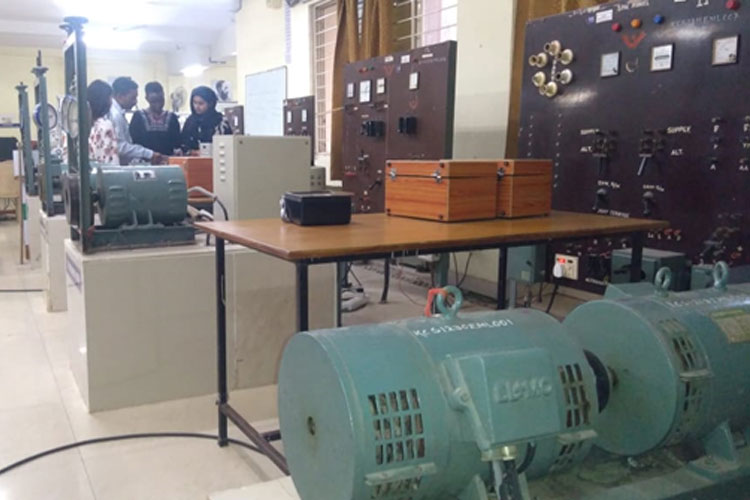
Electrical Machines Laboratory
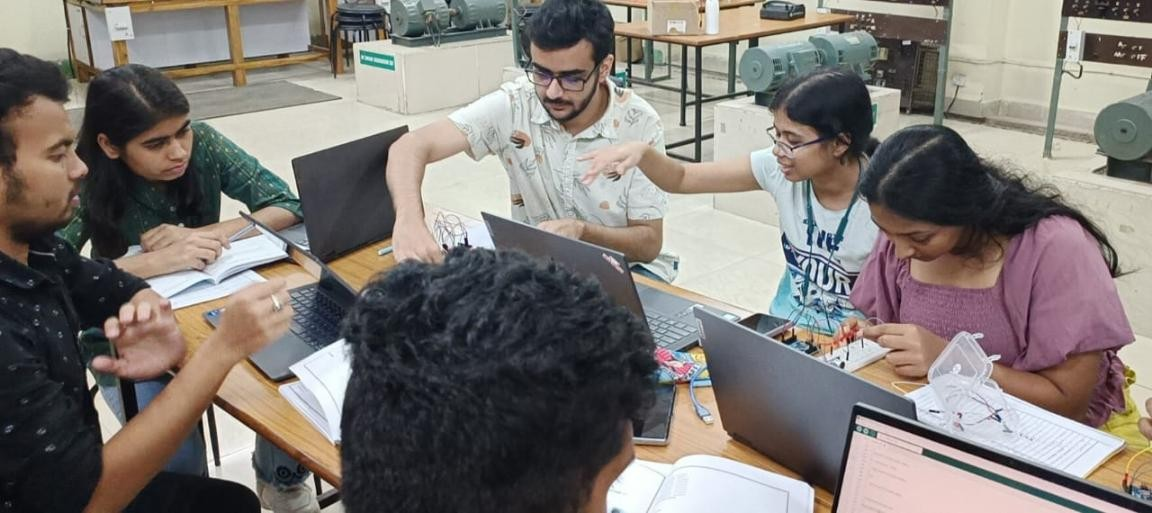
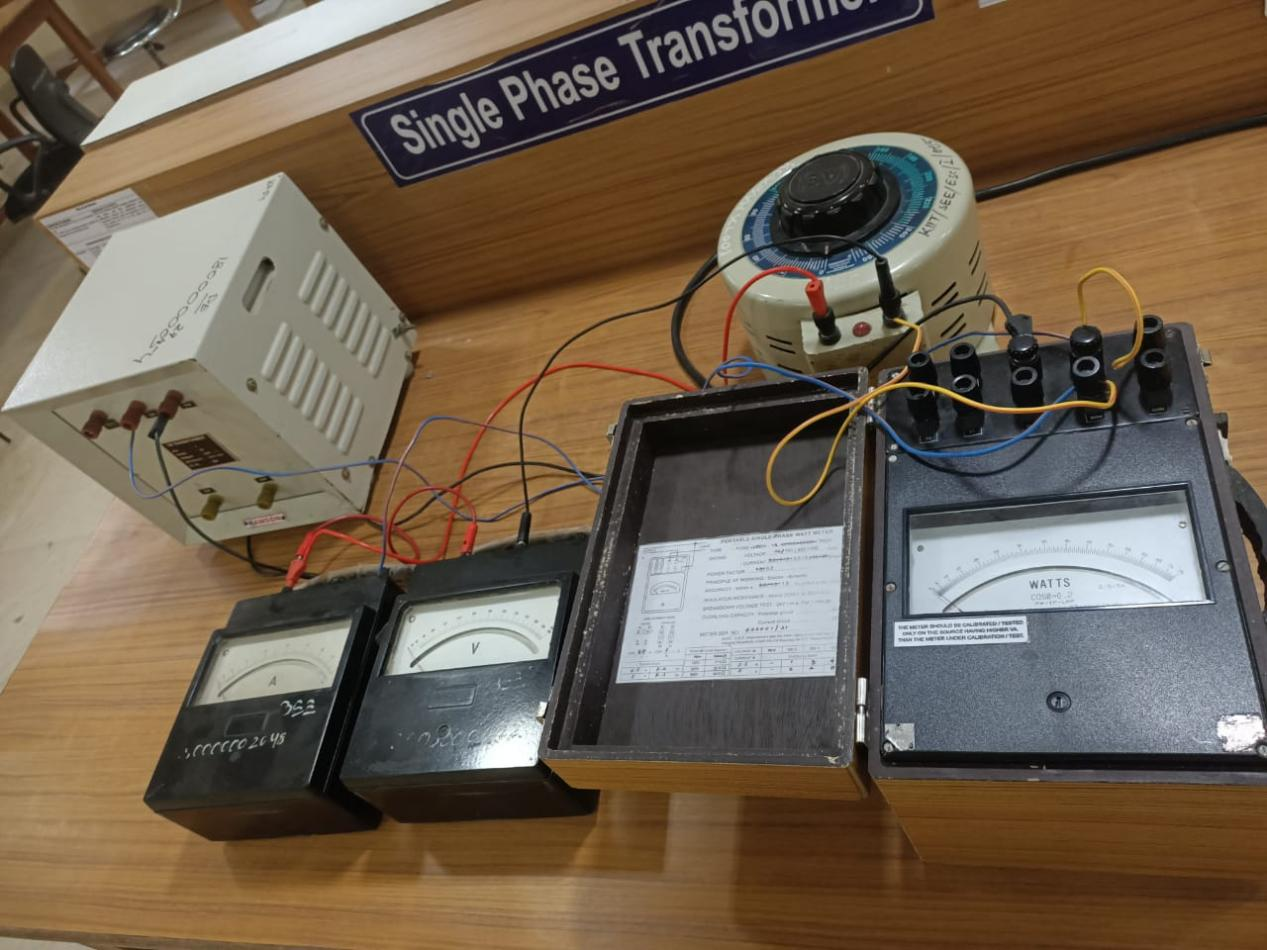
Electrical Measurement Laboratory
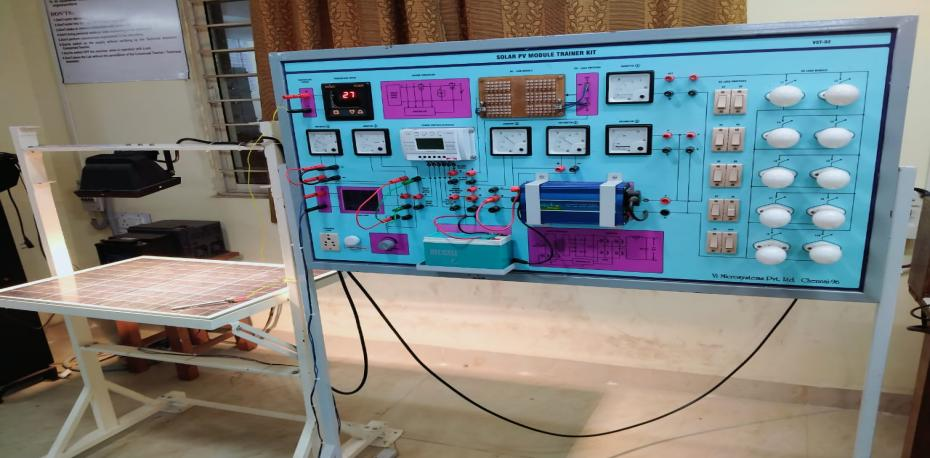
Power System Laboratory
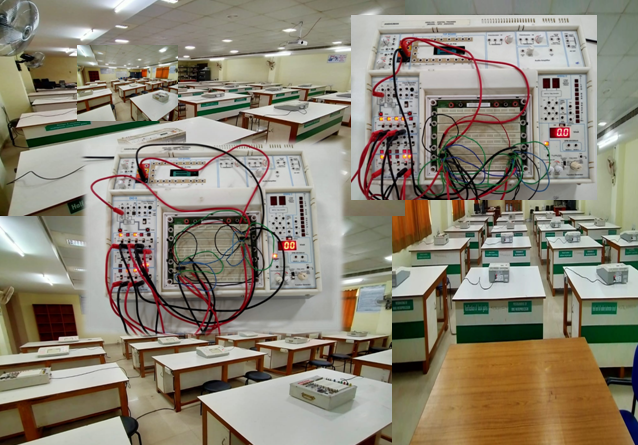
Analog & Digital Laboratory
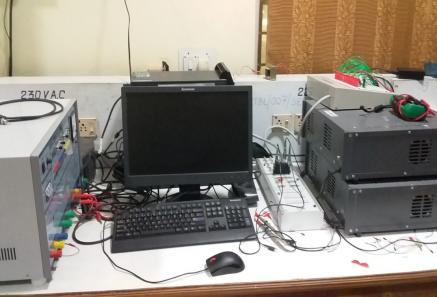
Power Electronics Research Laboratory
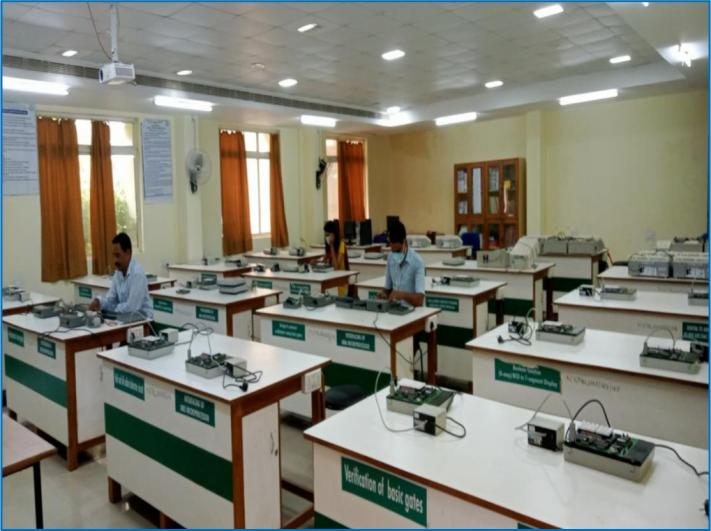
Microprocessor Laboratory
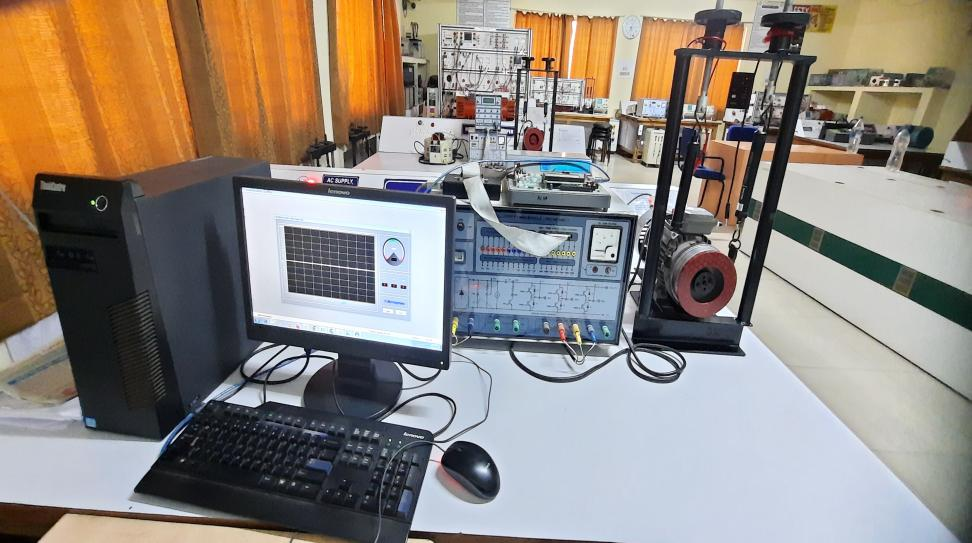
Electrical Design Laboratory
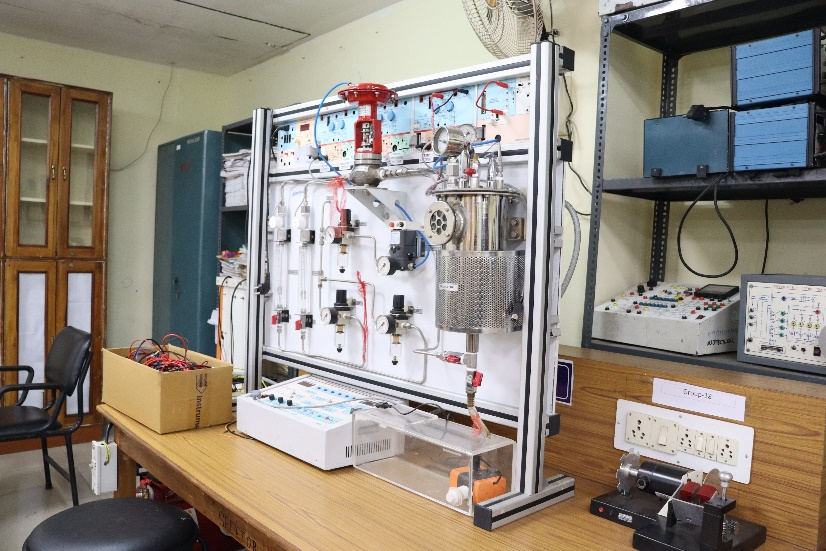
Control System Laboratory