

Electrical and Computer Engineering
Build a versatile and dynamic career in science and technology through an interdisciplinary course combining electrical engineering and computer science.
Engineering the connected future
B. Tech in Electrical and Computer Engineering is crucial for students aiming to build a versatile and dynamic career in science and technology. This interdisciplinary course combines the principles of electrical engineering and computer science, equipping graduates with a broad skill set applicable to a wide range of fields, from power systems and electronics to software development and embedded systems.
It prepares students to tackle contemporary technological advancements such as smart grids, renewable energy technologies, Electric Vehicle, Industrial and home automation, Data Science, Cyber security, Web development, artificial intelligence and the Internet of Things (IoT).
By mastering hardware and software aspects, graduates are well-positioned to drive innovation in areas like electric vehicles, cyber security, and advanced robotics, ultimately contributing to cutting-edge solutions and technological progress in an increasingly interconnected world.
Pursuing a B.Tech in Electrical and Computer Engineering at KIIT School of Electrical Engineering offers numerous advantages, including access to cutting-edge laboratory and research facilities. The school boasts state-of-the-art labs for electronics, communication, power systems, and computer engineering, allowing students to gain hands-on experience with advanced equipment and technologies.
Research facilities are well-equipped for exploring areas like renewable energy, smart grids, and artificial intelligence, fostering innovation and in-depth study. The institution’s strong ties with leading industries and companies, such as Schneider Electric, SMPS, Siemens, National Instruments (NI) and L&T EduTech ensure that graduates have excellent career opportunities and industry exposure.
These elements combine to provide a robust education and prepare students for successful careers in the dynamic field of electrical and computer engineering.
Power & electronics
Broad learning from power systems and electronics to software development.
Embedded systems
Electrical engineering and computer science in one interdisciplinary course.
Smart energy systems
Smart grids, renewable energy technologies and electric vehicles.
Digital innovation
Data Science, cyber security, AI, web development and IoT.
What the programme prepares graduates to do
Explore the published programme educational objectives, programme outcomes and programme specific outcomes.
Graduates will be able to address complex problems and apply learned skills in wide range of career opportunities in industries and academics.
Graduates will be able to fulfill the needs of society in solving technical problems using engineering principles, tools and practices, in an ethical and responsible manner.
Graduates will develop leadership skills in the workplace and function professionally in a globally competitive world.
Engineering knowledge
Ability to apply the knowledge of mathematics, science, engineering fundamentals, and an engineering specialization to the solution of complex engineering problems.
Problem analysis
Ability to identify, formulate, review research literature, and analyze complex engineering problems reaching substantiated conclusions using first principles of mathematics, natural sciences, and engineering sciences.
Design/development of solutions
Ability to design solutions for complex engineering problems and design system components or processes that meet the specified needs with appropriate consideration for the public health and safety, and the cultural, societal, and environmental considerations.
Conduct investigations on complex problems
Ability to use research-based knowledge and research methods including design of experiments, analysis and interpretation of data, and synthesis of the information to provide valid conclusions.
Modern tool usage
Ability to create, select, and apply appropriate techniques, resources, and modern engineering and IT tools including prediction and modeling to complex engineering activities with an understanding of the limitations.
The engineer and society
Ability to apply reasoning informed by the contextual knowledge to assess societal, health, safety, legal and cultural issues and the consequent responsibilities relevant to the professional engineering practice.
Environment and sustainability
Ability to understand the impact of the professional engineering solutions in societal and environmental contexts, and demonstrate the knowledge of, and need for sustainable development.
Ethics
Ability to apply ethical principles and commit to professional ethics and responsibilities and norms of the engineering practice.
Individual and team
Ability to function effectively as an individual, and as a member or leader in diverse teams, and in multidisciplinary settings.
Communication
Ability to communicate effectively on complex engineering activities with the engineering community and with society at large, such as, being able to comprehend and write effective reports and design documentation, make effective presentations, and give and receive clear instructions.
Project management and finance
Ability to demonstrate knowledge and understanding of the engineering and management principles and apply these to one's own work, as a member and leader in a team, to manage projects and in multidisciplinary environments.
Life-long learning
Ability to recognize the need for, and have the preparation and ability to engage in independent and life-long learning in the broadest context of technological change.
Ability to design and implement sustainable energy management systems to support technological advancement and improve quality of life.
Ability to analyze and address complex technical challenges using modern software engineering tools, and innovative problem-solving approaches.
Ability to develop integrated electrical and computer engineering solutions for societal and industrial applications through teamwork, group discussions, and professional report writing.
Syllabus & course structure
Download the documents published for Electrical and Computer Engineering.
Academic laboratories
The Electrical Engineering program offered by the Kalinga Institute Industrial Technology involves laboratory practices and for that the department has set-up various hi-tech laboratories that help students develop real-time skills and abilities.
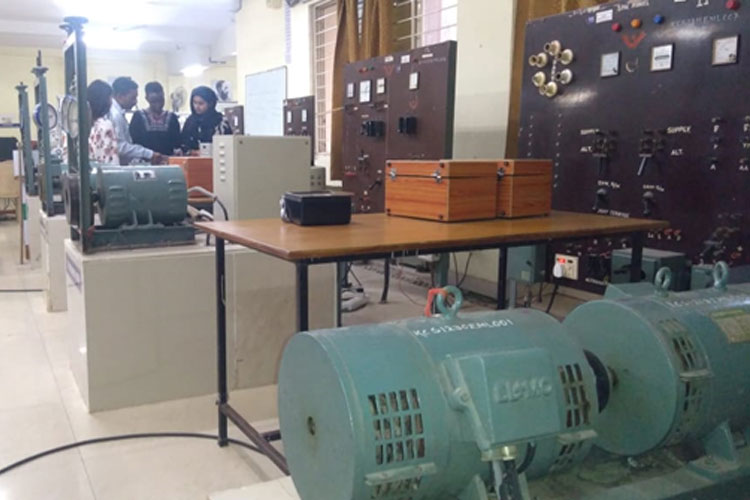 01Electrical Machines lab→
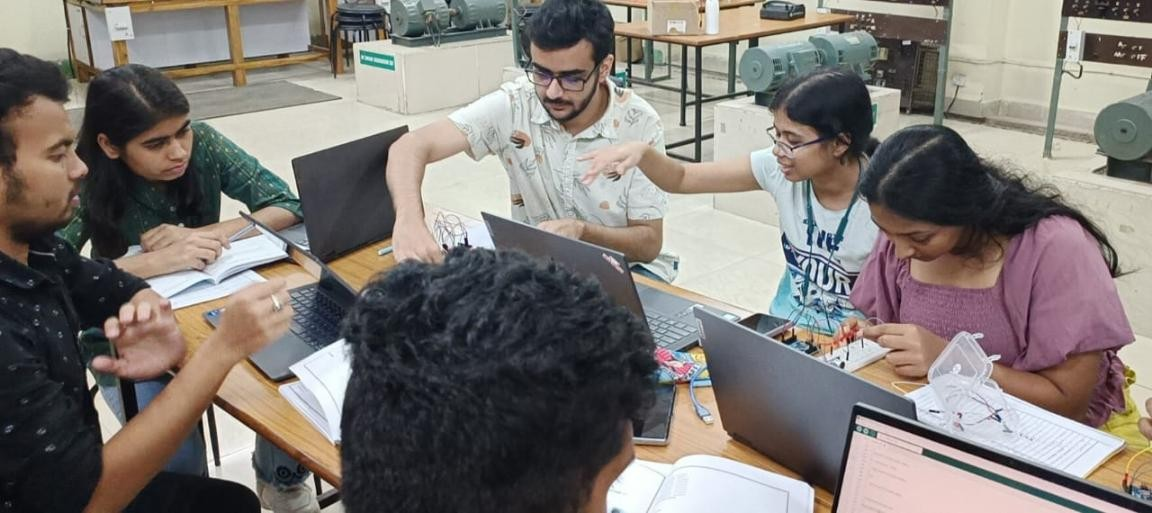 02Electrical Measurement & Sensor Laboratory (EMS)→
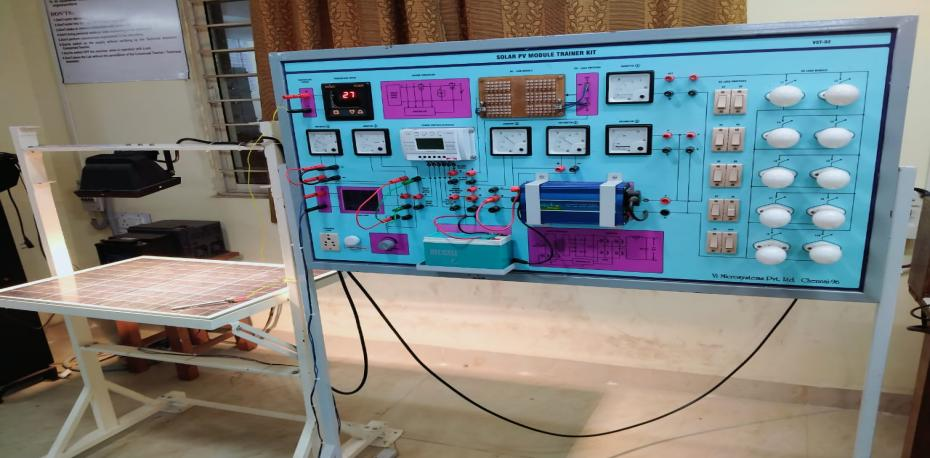 03Power System Lab→
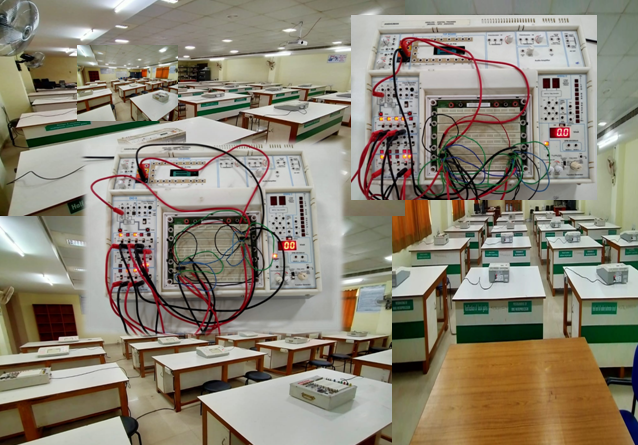 04Analog and Digital Electronics Circuit Lab (EE 29005)→
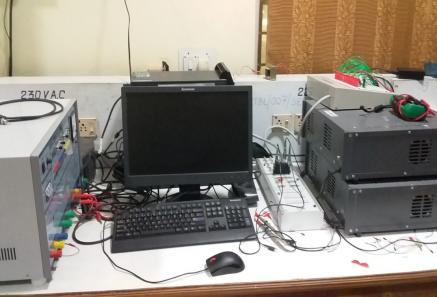 05Power Electronics Lab→
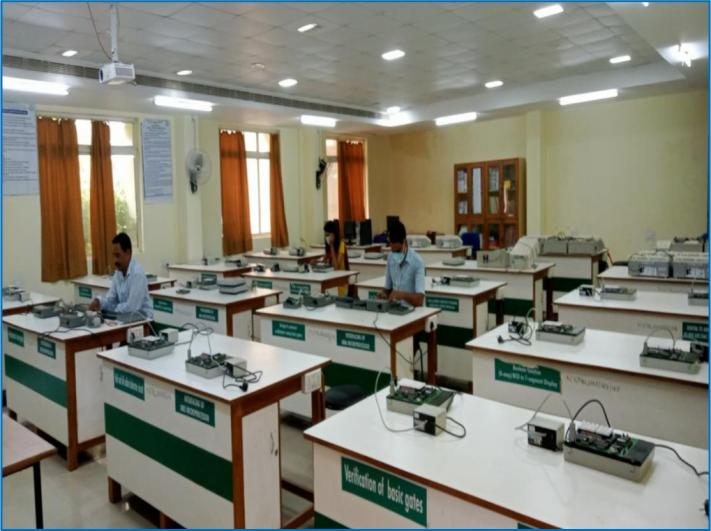 06Microprocessor Laboratory→
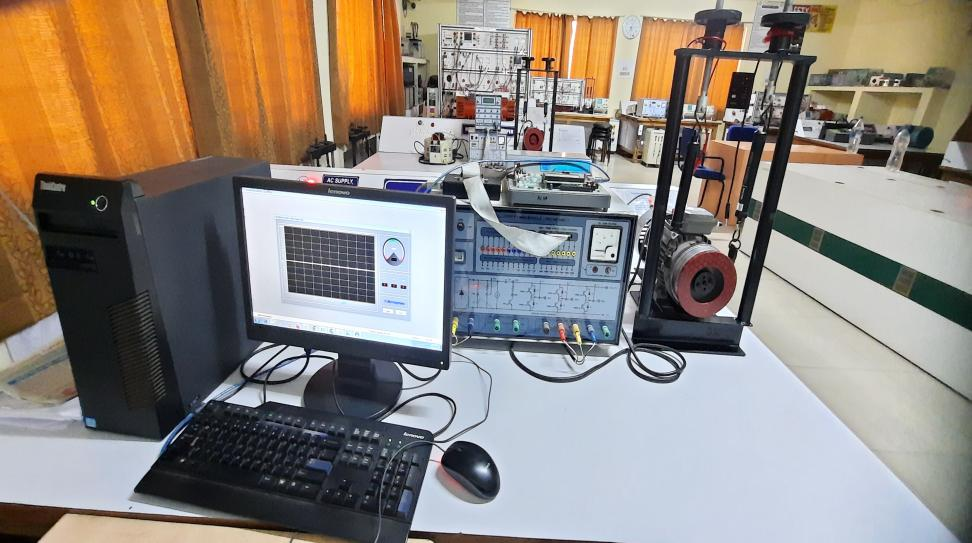 07Electric Drives Laboratory→
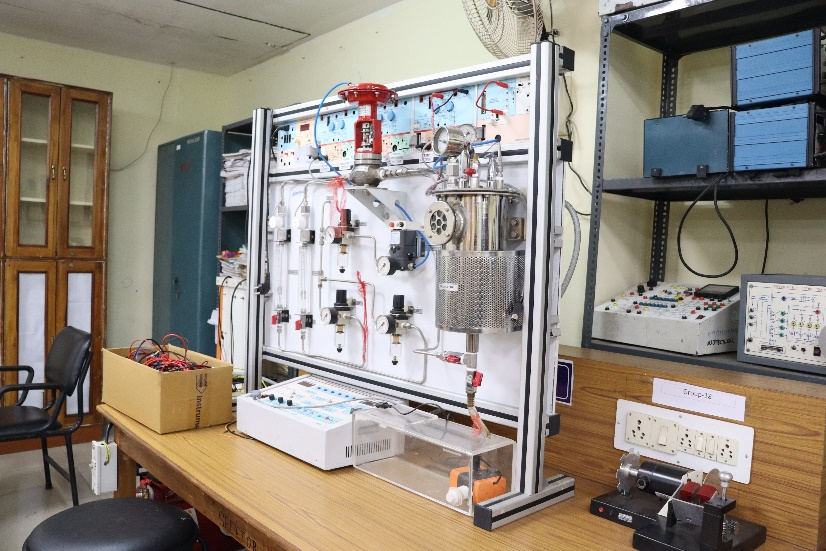 08Control System laboratory→
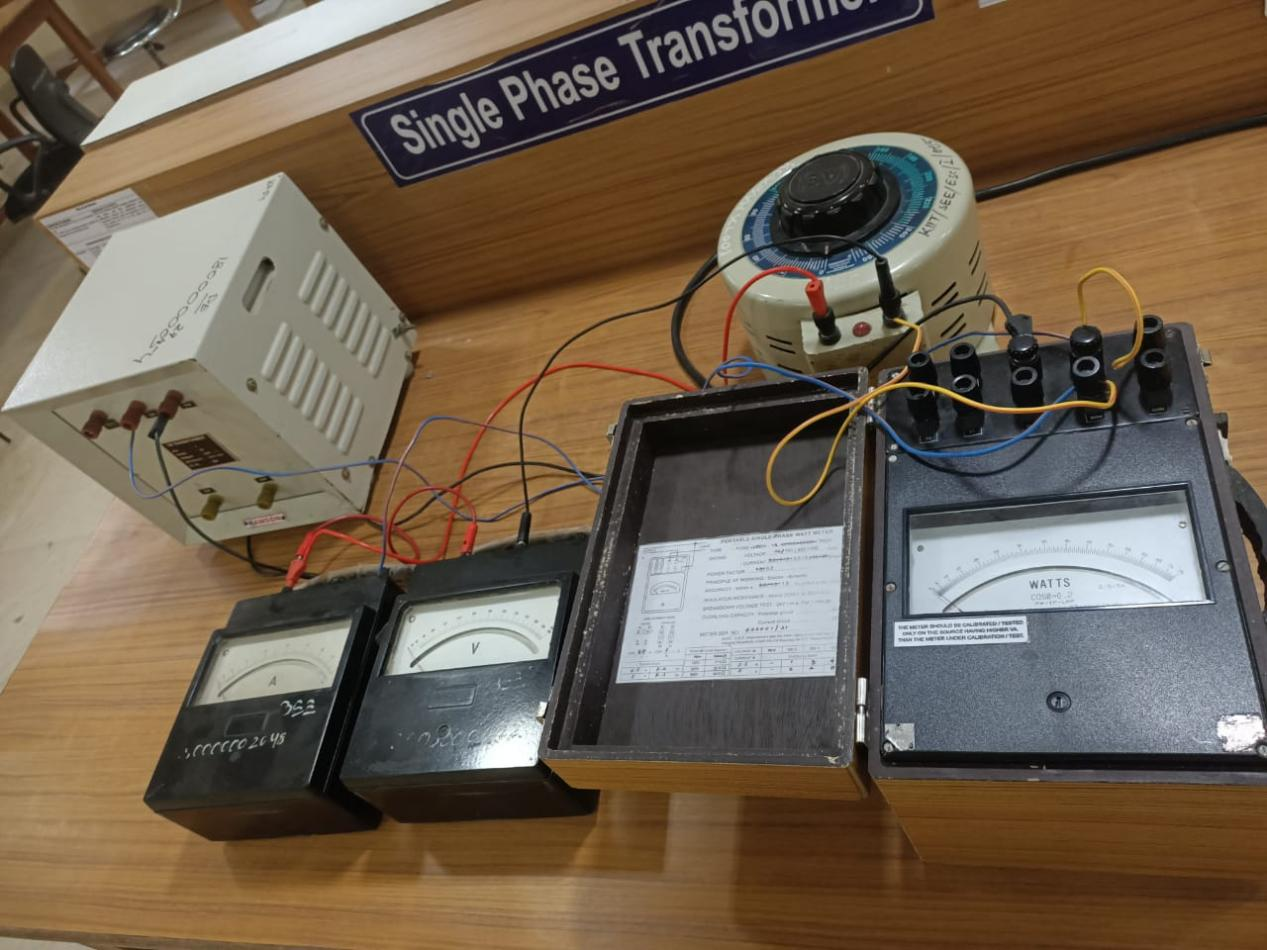 09BEE lab (Basic Electrical Engineering Lab)→